
How to File a Providence County Public Records Request
APRA gives the public a right to inspect and copy agency records. The core access rule sits in R.I. Gen. Laws § 38-2-3. You send a request to the public body that holds the record, such as a police department, a state agency, or a city office. You do not need to say why you want it.
- Identify the public body that holds the record you want.
- Write a clear request describing the records as specifically as you can.
- State how you want to receive them, such as inspection or copies.
- Send it to the agency's records officer by their preferred method.
- Track the response time and ask about fees before copies are made.
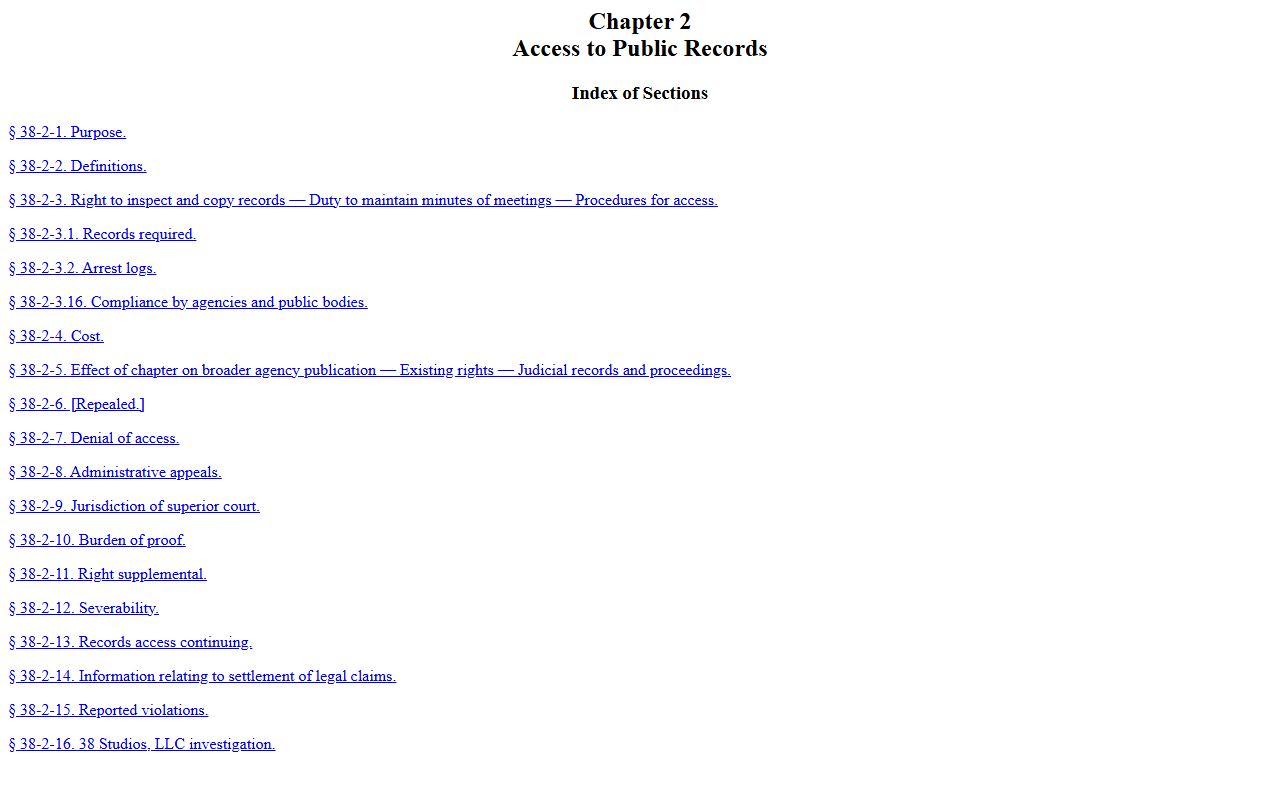
The APRA index above links the purpose, access, cost, denial, and appeal sections that govern a request.
You can usually request by mail, email, or in person. Many agencies post a records officer and a preferred method, so check the agency website first. Putting the request in writing helps both sides, since it sets a clear record of what you asked for and when you asked.
APRA Basics
APRA is Rhode Island's open-records law for public bodies. The purpose section, R.I. Gen. Laws § 38-2-1, balances public access with personal dignity and privacy. It was first enacted in 1979 and later amended. The law presumes records are open unless an exemption applies.
So APRA is the tool for executive and municipal records. It is not the path to court case documents. That difference is the single most common point of confusion, so it is worth keeping clear from the start.
The law also reaches a wide range of bodies. State departments, city and town offices, and many boards and agencies count as public bodies under APRA. That breadth is why it is the right tool for everything from a police report to a city budget, as long as the record is not exempt.
Court Records Are Separate
Court case information follows the Judiciary's public access rules, not APRA. The Rhode Island Judiciary runs the Public Portal and the courthouse terminals for case records. So you do not file an APRA request to read a docket or get a court document.
Use the court records page and the court dockets page for case files. Save APRA for agency records like police reports, contracts, budgets, and other municipal documents.
Why does this line exist? Courts are a separate branch with their own access rules, set by the Supreme Court rather than the open-records statute. So a request for a court file sent to an agency under APRA will not work. Send case requests to the court, and agency requests under APRA.
What to Include in a Request
A clear request gets a faster answer. You do not have to use a special form, but the details below help the agency find the records and respond on time.
| Field | Why It Helps |
|---|---|
| Your name and contact | So the agency can reply and send records. |
| Records described | Be specific about dates, topics, and document types. |
| Format requested | Inspection, paper copies, or electronic copies. |
| Date range | Narrows the search and lowers the cost. |
| Public body | The agency or office that holds the record. |
The more focused the request, the lower the search and copy cost is likely to be.
Fees and Response Timelines
APRA controls what an agency may charge. The cost rules sit in R.I. Gen. Laws § 38-2-4, which covers copying, search, and retrieval charges. These agency fees are not the same as court copy or certification fees, so do not mix the two.
| Item | Rule |
|---|---|
| Copying charge | Set by APRA cost section, § 38-2-4 |
| Search and retrieval | Allowed under the cost section after a free period |
| Fee estimate | Ask the agency before large copy jobs |
Agencies must respond within the time APRA sets, and they can extend in limited cases. If a request is large, ask for an estimate first so the cost does not surprise you.
A few habits keep costs down. Narrow the date range. Ask for electronic copies where possible, since they often cost less than paper. And describe the records tightly, so the agency does not bill long search time hunting through unrelated files. A focused request is both faster and cheaper.
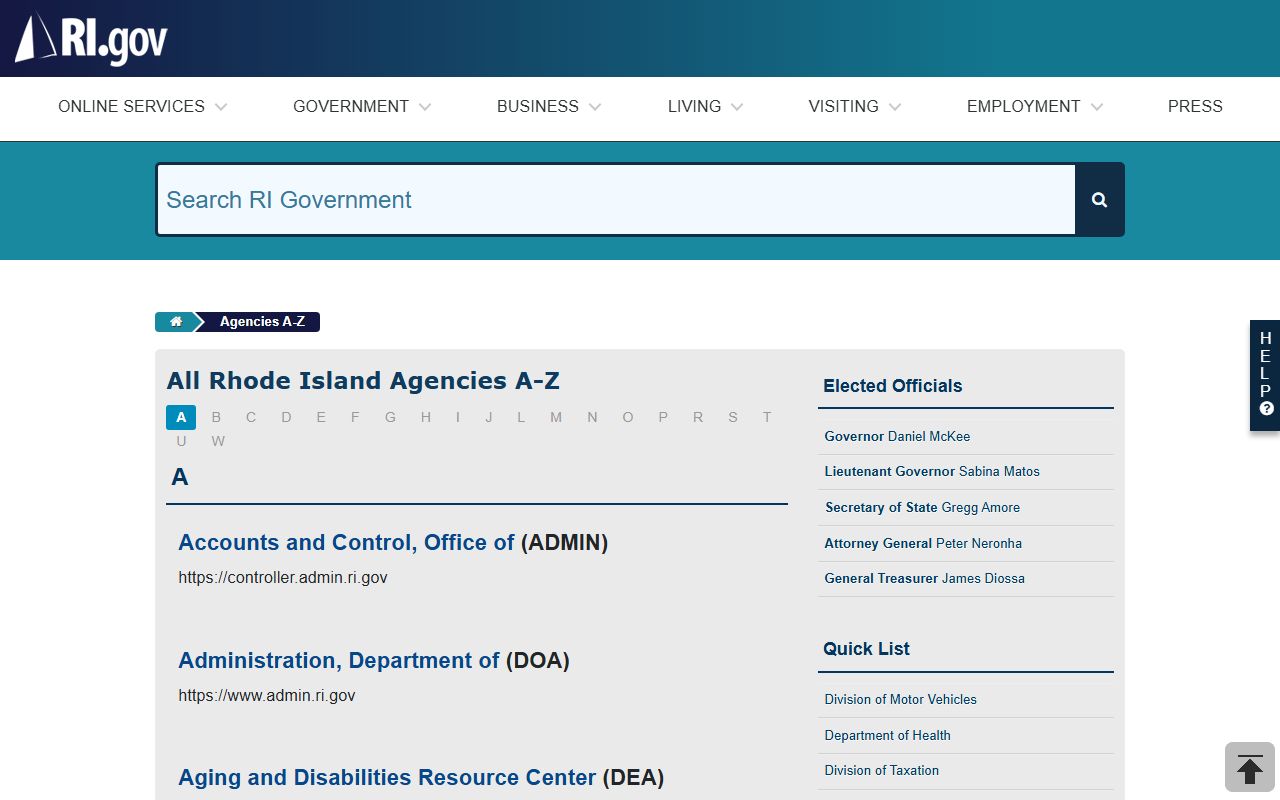
The Rhode Island state guide above helps you find the right agency or elected office to send a request to.
Denials and Appeals
An agency can deny part or all of a request. When it does, R.I. Gen. Laws § 38-2-7 requires a written denial that explains the reason. So you should get a clear answer, not silence.
If you disagree, APRA gives an appeal path. Under R.I. Gen. Laws § 38-2-8, you can appeal to the agency's chief administrative officer, and the Attorney General can review APRA complaints. So a denial is not always the end of the road.
Read the written denial closely. It should name the exemption the agency relies on. If the reason looks too broad, or covers more than it should, that is the basis for an appeal. Keep copies of your request and the denial, since you will need them to support a complaint.
Agency Records vs Court Records
The two systems serve different needs. APRA reaches agency records held by the executive branch and municipalities. The Judiciary rules reach court case files. Knowing which one applies tells you where to send your request.
| Point | APRA Agency Records | Court Records |
|---|---|---|
| What it covers | Police, agency, and city files | Court case dockets and documents |
| Governing rule | APRA, Title 38, Chapter 2 | Judiciary public access rules |
| Where to request | The public body that holds it | Public Portal or the court clerk |
So a police arrest report is an agency record, while the court case for that arrest is a court record. You may need both, from two different places. For a single arrest, that often means an APRA request to the police for the report and a docket search on the Public Portal for the case. The two records cover different parts of the same event, so reading both gives the fuller picture.
Vital Records Confidentiality
Not all public-sounding records are open. Vital records, like birth, death, and marriage certificates, are confidential under state health rules. They go only to eligible requesters, not the general public. The Department of Health vital records page lists who qualifies.
So an APRA request will not pull a recent certified marriage record. See the marriage and divorce records page for who can request a vital record and how.
State Agency and Municipal Records
Many useful records sit with state and city agencies. The Department of Corrections holds custody and facility records. Police departments hold reports and blotters. City offices hold budgets, contracts, meeting minutes, and land records. Each is its own public body for an APRA request.
For a criminal history rather than a single report, the Bureau of Criminal Identification in the Attorney General's office handles background checks. That is a separate process from a general APRA request, with its own rules on what is released.
Send each request to the body that actually holds the record. A request for a Providence police report goes to that police department, while a request about a state program goes to the state agency that runs it. The Rhode Island state guide helps you find the right office and contact.
Restricted Records
APRA has exemptions that protect privacy and safety. Personal identifiers, certain law enforcement materials, and other protected categories can be withheld or redacted. Juvenile, sealed, and confidential matters are not open through a public request.
Redaction is common rather than a flat denial. An agency may release a record with parts blacked out, like a home address or a Social Security number. That is allowed when the law protects that specific data. If a whole record is withheld, the written denial should explain why, which gives you the basis to appeal.
Note: An open-records request reaches agency files, not sealed court matters or confidential vital records, which follow their own access rules.